
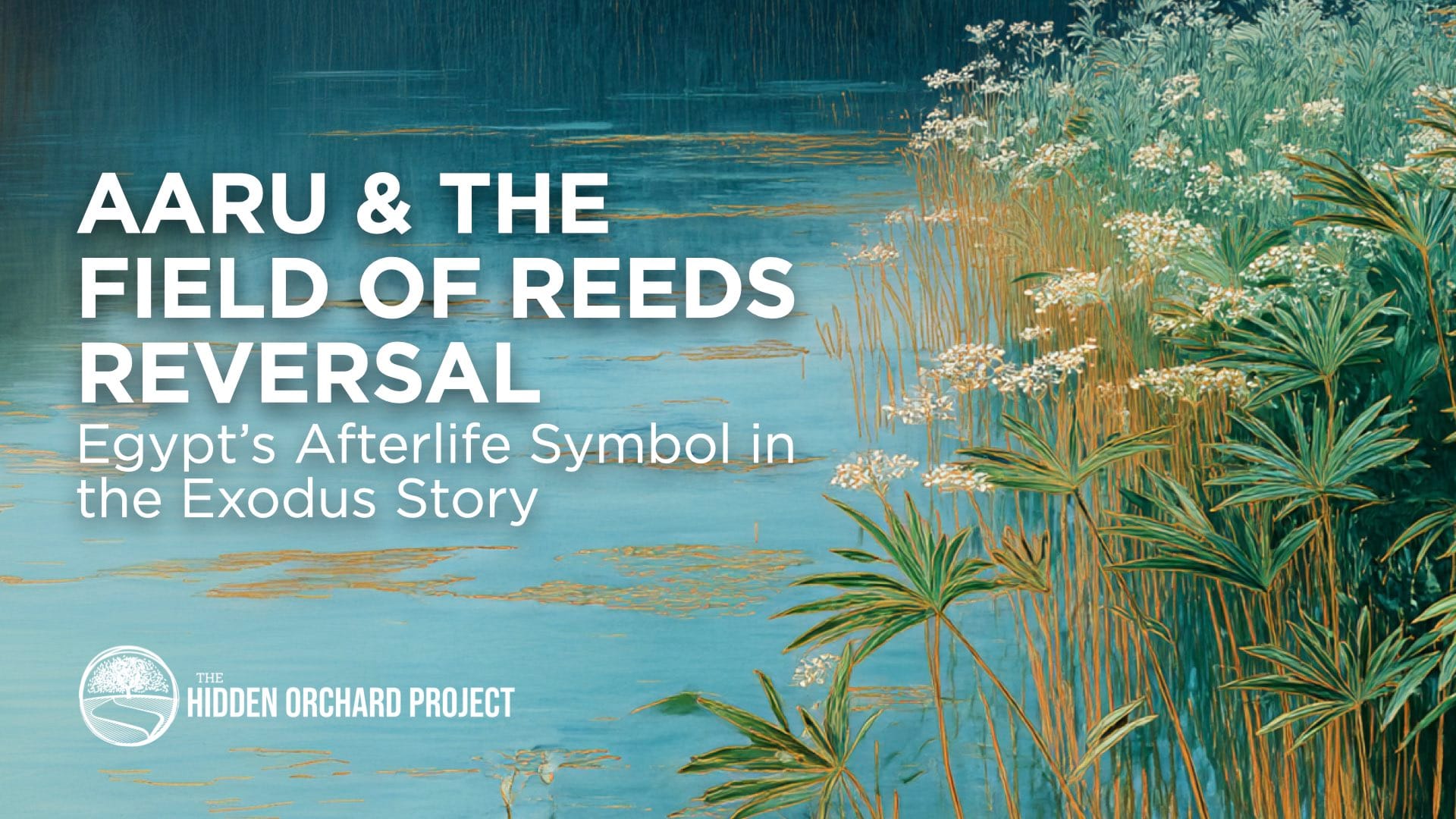
Aaru & The Field of Reeds Reversal: Egypt’s Afterlife Symbol in the Exodus Story
In Egyptian belief, the soul’s final paradise was called Aaru, which means “Reeds.” But in the Exodus story, the "Sea of Reeds" becomes the place where Pharaoh’s army is swallowed, an ironic reversal of Egypt’s vision of the eternal.
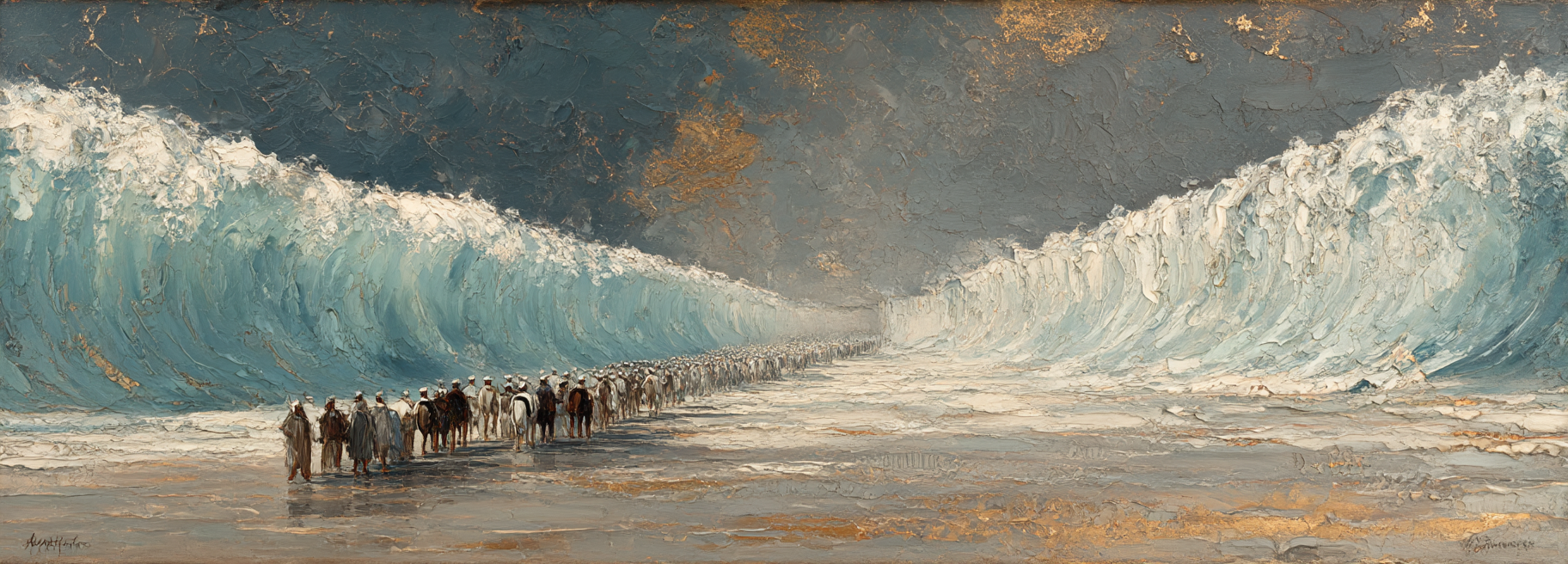
As Israel's escape from Egypt hits its stride, the people found themselves at the shoreline, unable to proceed. It's a major climax in the story as the nation seemed to have reached the end of its journey. Meanwhile, the pursuing Egyptian army closed the gap.
As readers know well, Hashem miraculously intervened, and the nation crossed over the sea.
But which sea did they cross?
The Red Sea?
Ever since the Septuagint translated Yam Suf (יַם־סוּף “Sea of Reeds”) as the Red Sea, this location has been considered the site of Israel’s crossing. Though this location is debated, the Torah does not say "Red Sea."
For most people, it makes no difference whether it is the Red Sea or a Sea of reeds.
Reeds have little significance in our cultural belief system. But for the ancient Egyptians, this may have been a significant detail.
Reeds In Egyptian Culture
Not only a common feature of the marshy Nile Delta, reeds also held a spiritual meaning in the Egyptian view of the afterlife.
According to Egyptian beliefs, the soul of the dead traveled through the underworld, known as Du'at, enduring a series of judgments, in hopes of reaching the final destination, Aaru.
Aaru, the Place of "Reeds"
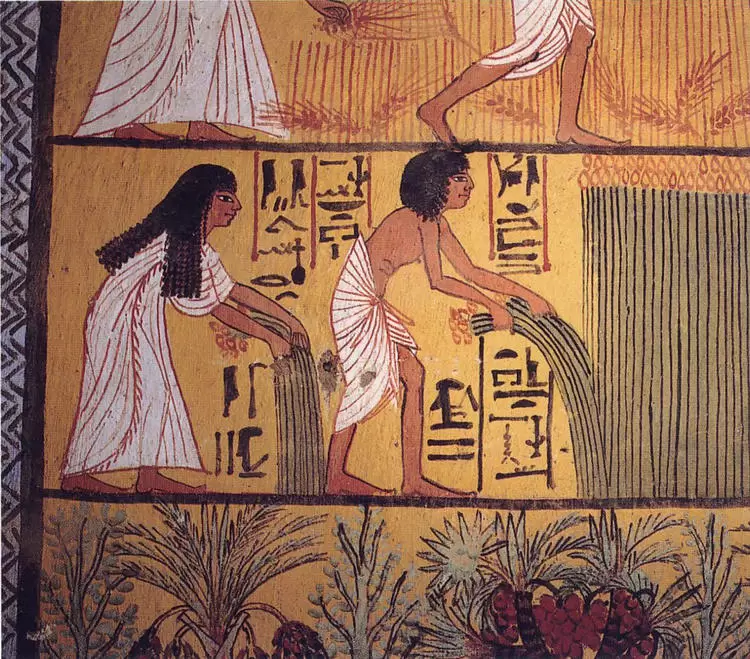
Aaru¹ was a paradise for the soul and is literally translated as "Reeds". Popularly, Aaru is referred to as the field of reeds.
For Egyptians, Aaru was an idealized version of the Nile landscape. It was fertile, lush, and abundant with water and tall reeds.
But don't envision a field of dry brown stalks. These reeds were likely Cyperus papyrus reeds², commonly found by the water's edge.
Aaru was a perfected Nile Delta, where the righteous could farm, harvest, and live in abundance with no fear of drought or famine.
The wetlands themselves were symbolic of fertility, rebirth, and divine blessing, and Egyptian life was focused on making it to Aaru, the place of Reeds.

As we have covered in a previous article³, to reach Aaru, the soul of the deceased would have to endure a post-life judgment process. The famous heart-weighing ceremony may have been in the backdrop of Pharaoh's bout with the G_D of Israel.
Souls found to be unworthy would undergo a "second death" while the worthy would be granted passage into Aaru.
Afterlife Views Inverted
I believe this adds a layer of depth to the splitting of the Sea in the Exodus story. The splitting of the Sea of Reeds may represent another deep reflection of a major theological confrontation between the G_D of Israel and Egypt.
One by one, their gods had been defeated and their divine emissary, Pharaoh, was judged before their eyes.
Finally, the very symbol and hope of Egyptian paradise, the reeds and the life-giving waters, became the setting of their demise.
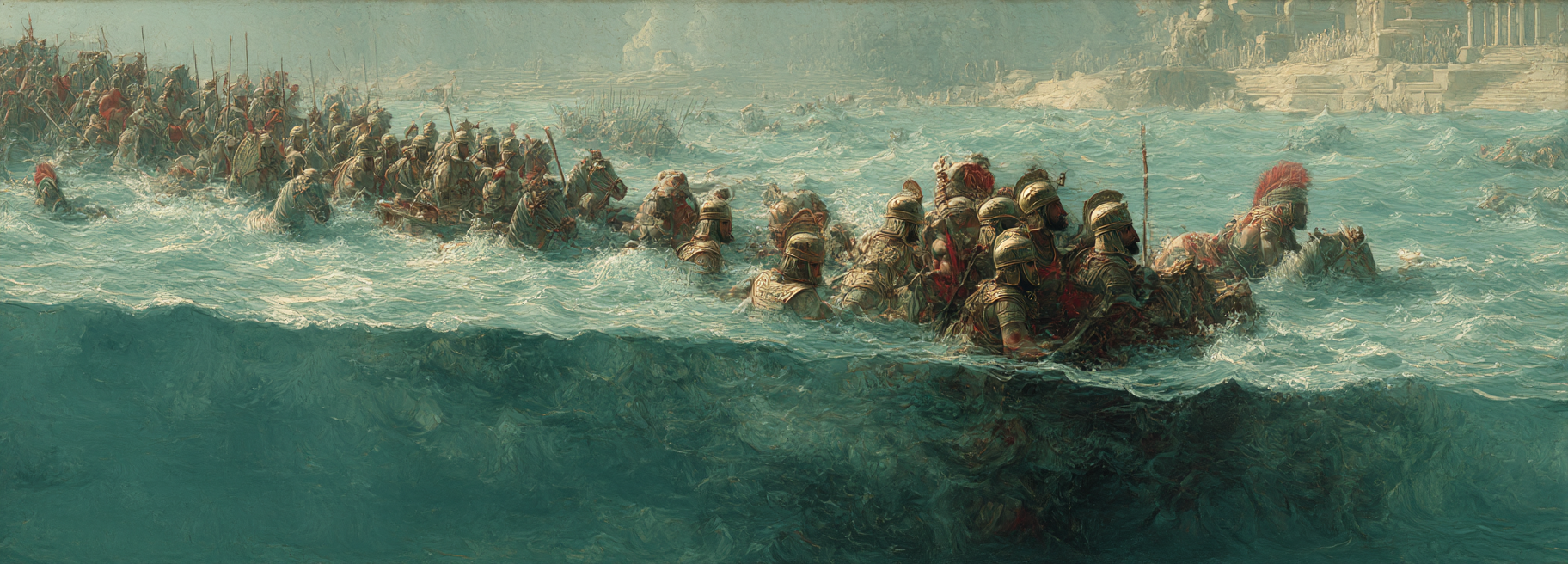
Israel emerges from the waters as a newly liberated people. Egypt’s army disappears beneath them. The Exodus story transforms Egypt's theological hope, and the landscape of its eternal promise the means of its annihilation.
The idea is best expressed in the passage from the Song of the Sea:
Pharaoh’s chariots and his army
Have been cast into the sea;
And the pick of his officers
Are drowned in the Sea of Reeds.
The deep covered them,
they went down into the depths like a stone
- Exodus 15:4
Want to Learn More?
 The Hidden Orchard
 The Hidden Orchard
 The Hidden Orchard
Notes:
² https://en.wikipedia.org/wiki/Cyperus_papyrus
³ The Hardening of Pharoah's Heart and the Egyptian Heart-Weighing Ceremony