
Seven Heavens: Does the Bible Speak About More Than One Heaven?
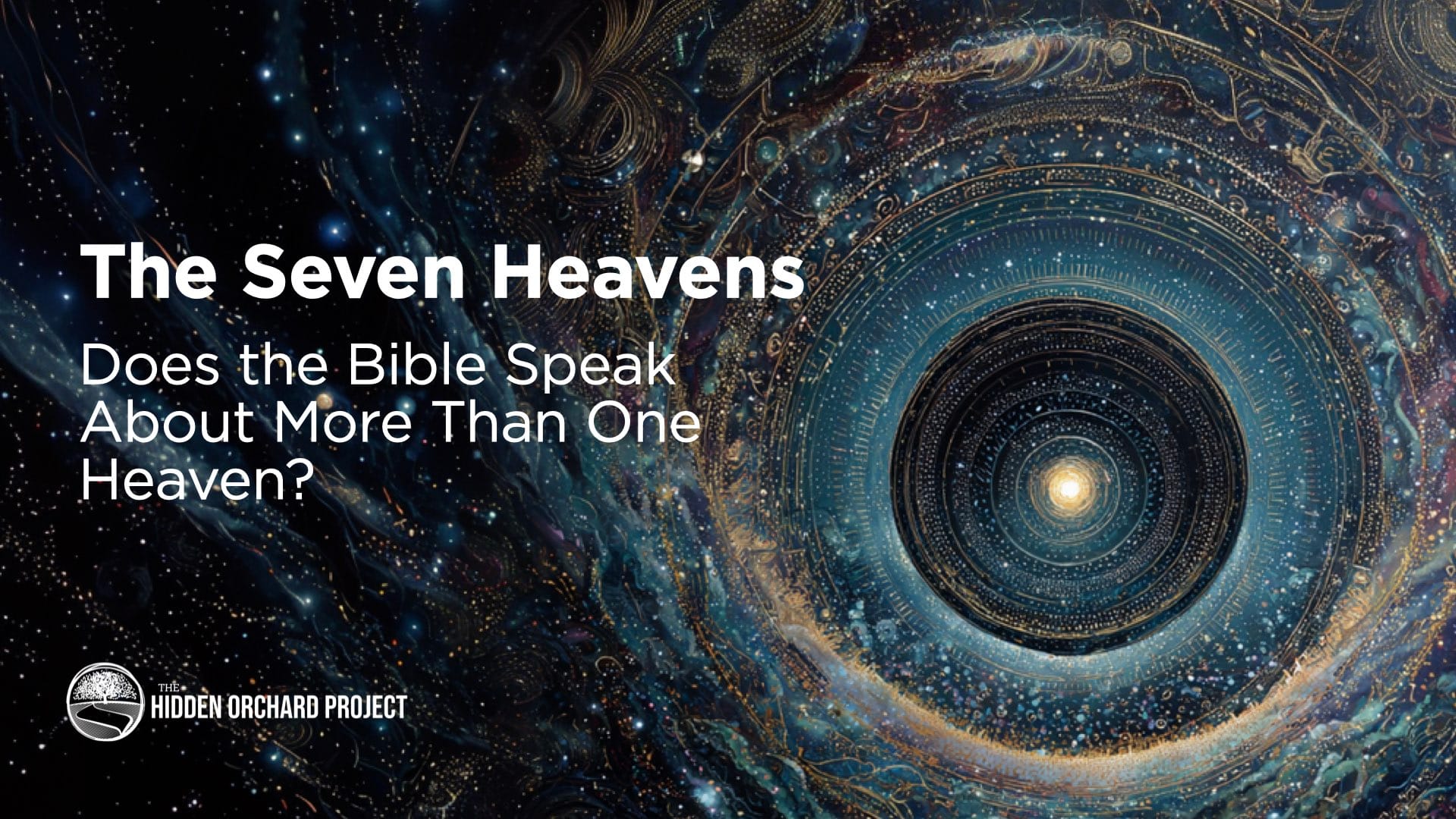
Jewish tradition envisions Heaven as a multi-layered realm. The seven Heavens, (Vilon, Rekia, Shechakim, Zevul, Ma’on, Machon, and Aravot) serve different functions in the cosmic order. And though many assume this to be Rabbinic innovation, the Apostolic writers share this understanding.
For many, Heaven is envisioned as the final spiritual destination for righteous souls, where good people reunite with loved ones and live on in perpetual bliss.
Jewish tradition tells a more complex story.
Heaven is not the end, but a transitional realm on the way to the World to Come. And, it is not singular. Ancient Jewish sources point to multiple heavens, each realm with a distinct purpose.
Much of Christian tradition is either unaware of this framework or rejects it outright. The popular evangelical apologetics site GotQuestions.org, for example, insists:
"The idea of different levels of heaven is foreign to Scripture."
Yet, the New Testament assumes the Rabbinic framework, referencing these ideas in numerous places.
Let's look deeper.
Translation Issues
First, it is always important to remember that translations are interpretations. Unaware of these traditions, many English translations obscure the nuance in the text, rendering words to fit a later belief. These translations become doctrines and lead many down a wrong path.
Second, the Apostolic writings reflect plurality in the word Heaven at times, though English translators render the Greek word in the singular. For example, in Matthew 6:9, the text can be read:
“Our Father in the heavens”
More Than One Heaven?
As we will see, these ideas indeed have their root in the Hebrew Bible:
“Behold, to the Lord your G_D belongs the heaven and the heaven of heavens” - Deuteronomy 10:14
Another clue, the Hebrew word for "Heaven" is Shamayim (שָׁמַיִם), and has a plural ending.
Rabbinic commentators throughout the centuries have noticed a possible etymological hint that Shamayim could translate as “there is water,” a reference to the waters above and below in Genesis 1.
Others suggest Shamayim is a combination of the words fire (esh) and water (mayim), perhaps signaling a relationship between the elements of our natural world via weather patterns and celestial bodies.