
The Crucifixion of Isaac
Years ago, I heard a lecture by an Orthodox Rabbi who shared some deeper insights about the event known in the Torah as the "Akeidah", the "Binding" of Isaac. I found incredible parallels in this story that match the Gospel narrative of Jesus's crucifixion and teachings.

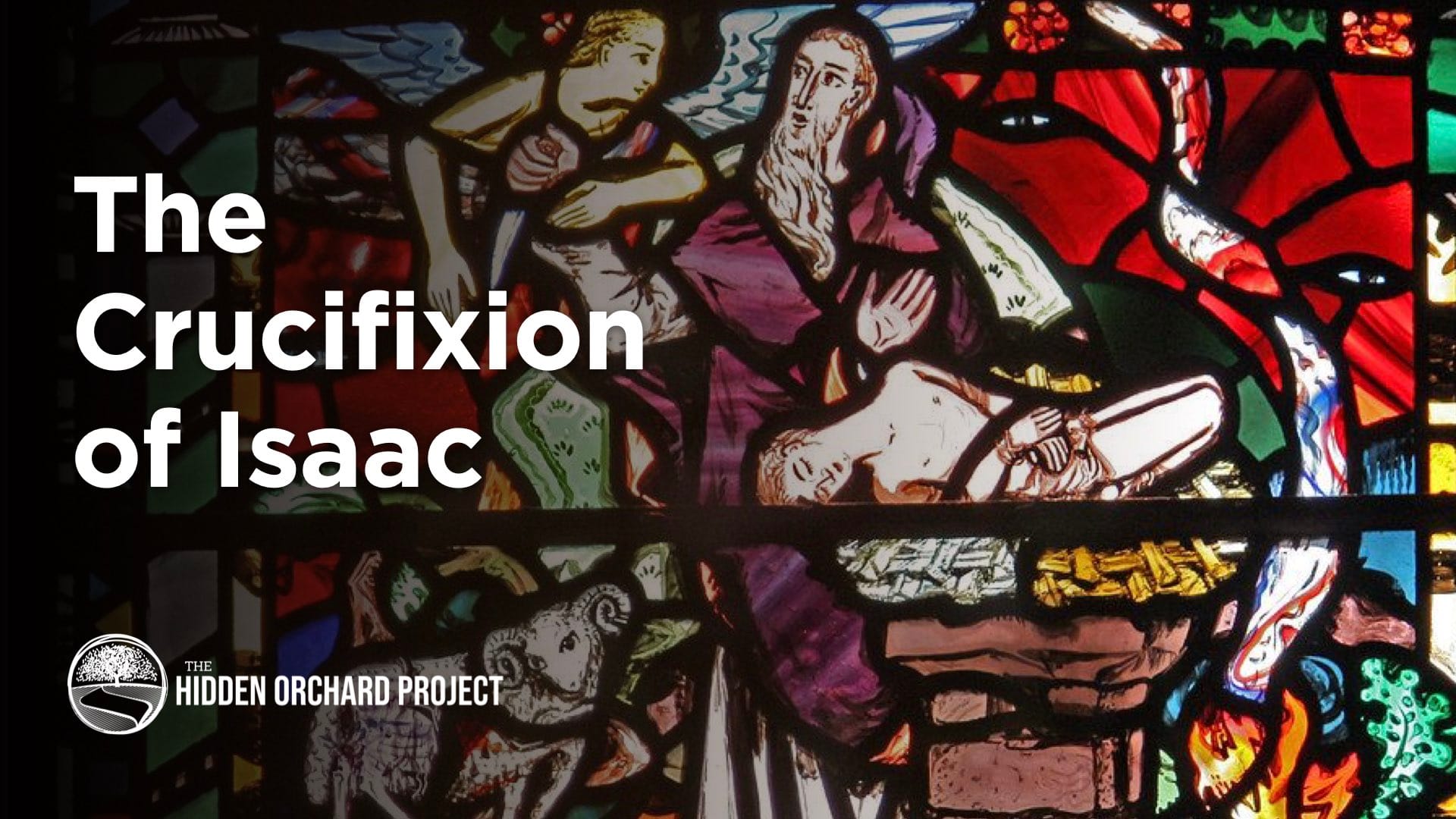
For those unfamiliar, the Jewish Oral tradition¹ contains oceans of insights, thoughts, and homiletics on virtually every passage in the Hebrew Bible. Entire volumes of Midrash have been printed with a focus on a particular book of the Bible.
The Binding of Isaac
Naturally, some sections of Scripture draw more discussion than others. One such passage is the Binding of Isaac, also known as the Akeidah (עֲקֵידָה) in Hebrew.
In this story, Abraham receives an impossible command from G_D: to offer his only son, Isaac, the very child through whom G_D had promised a lasting covenant.
Like others², Isaac’s birth itself was miraculous, so why would G_D now ask for his life? It’s a deeply troubling request, to say the least.
Yet Abraham demonstrates unwavering obedience, showing his willingness to submit fully to the Creator’s will, no matter the cost.
The importance of this episode is reflected in the daily morning prayers of the Siddur, reflected upon daily.
The Midrash - Filling in the Gaps
And, unsurprisingly, this story has also generated an immense amount of rabbinic commentary. In the Midrash, we gain more insight into the experiences and trials of Abraham and Isaac as they set out to Mount Moriah, where Abraham was to carry out this sacrifice.
For readers familiar with the New Testament, the Midrash contains striking parallels. They’re impossible to overlook.
We will explore these in a moment, but we should ask: was this intentional, or a mere coincidence?
Is it possible that the account of Jesus's crucifixion was written to draw from this Rabbinic tradition? If so, how might this change the way we read the texts?
Stringing together a few Midrashim, we get a glimpse at the story in full.