
The Hardening of Pharoah's Heart and the Egyptian Heart-Weighing Ceremony
Ancient Egyptians believed the soul was judged by the weight of the heart, and the Torah uses similar language for Pharaoh. Coincidence? Did God harden Pharaoh's heart, or, as Rabbi Jonathan Sacks suggests, is there another story in the text that modern readers have missed?

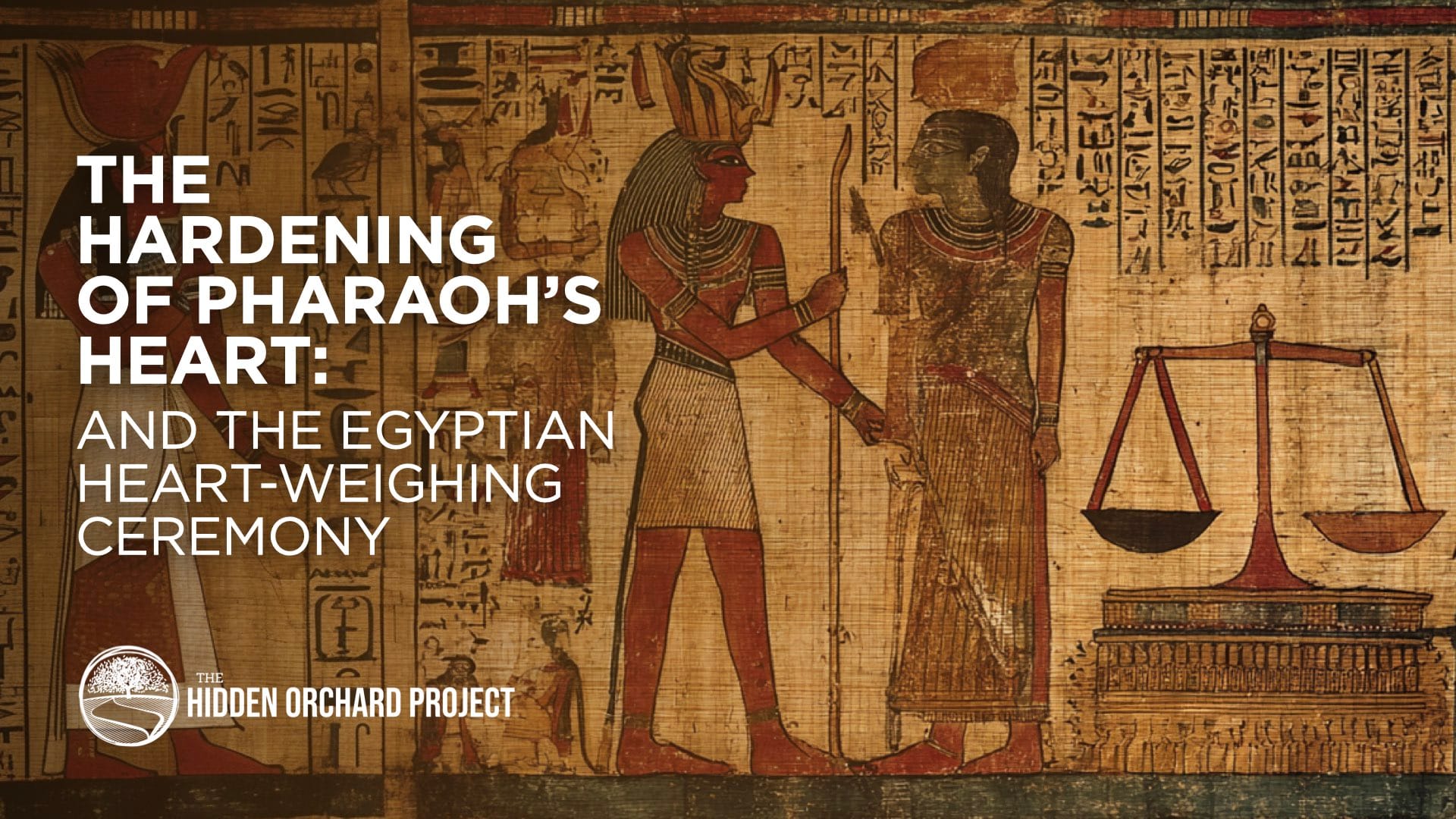
I first heard this idea mentioned by the late Rabbi Jonathan Sacks, z''l, in a teaching on Parasha Vaera¹. He noticed a fascinating connection behind some confusing passages in the Exodus story: the hardening of Pharaoh's heart.
Pharaoh's Hardened Heart
In the story of the Exodus, the text tells us that Pharaoh's heart was hardened many times. The Hebrew uses different phrases for this idea;
- strengthened (חזק Chazak)
- made stubborn (קשה Kasha)
- made heavy (כבד Kaved)
This idea is troubling for some. Someone once told me the idea that G_D would override someone's free will was a deal-breaker for them.
I can see their point. In many of those instances, it does seem that G_D Himself hardens Pharaoh's heart.
The logical question, then, is how Pharaoh can be punished for refusing to let the Israelites go if his refusal was manipulated?
As Rabbi Sacks pointed out, the answer may reflect ancient Egyptian religious beliefs, something the original audience would have recognized immediately.
Let's explore this.
Maaty - The Hall of Two Truths
In Ancient Egypt, it was believed that death was the beginning of the soul's judgment in the afterlife.
The deceased's soul would journey to the underworld, Duat, where it would enter Maaty, the "Hall of Two Truths."