

Aaru & The Field of Reeds Reversal: Egypt’s Afterlife Symbol in the Exodus Story
In Egyptian belief, the soul’s final paradise was called Aaru, which means “Reeds.” But in the Exodus story, the "Sea of Reeds" becomes the place where Pharaoh’s army is swallowed, an ironic reversal of Egypt’s vision of the eternal.

As Israel's escape from Egypt hits its stride, the people found themselves at the shoreline, unable to proceed. It's a major climax in the story as the nation seemed to have reached the end of its journey. Meanwhile, the pursuing Egyptian army closed the gap.
As readers know well, Hashem miraculously intervened, and the nation crossed over the sea.
But which sea did they cross?
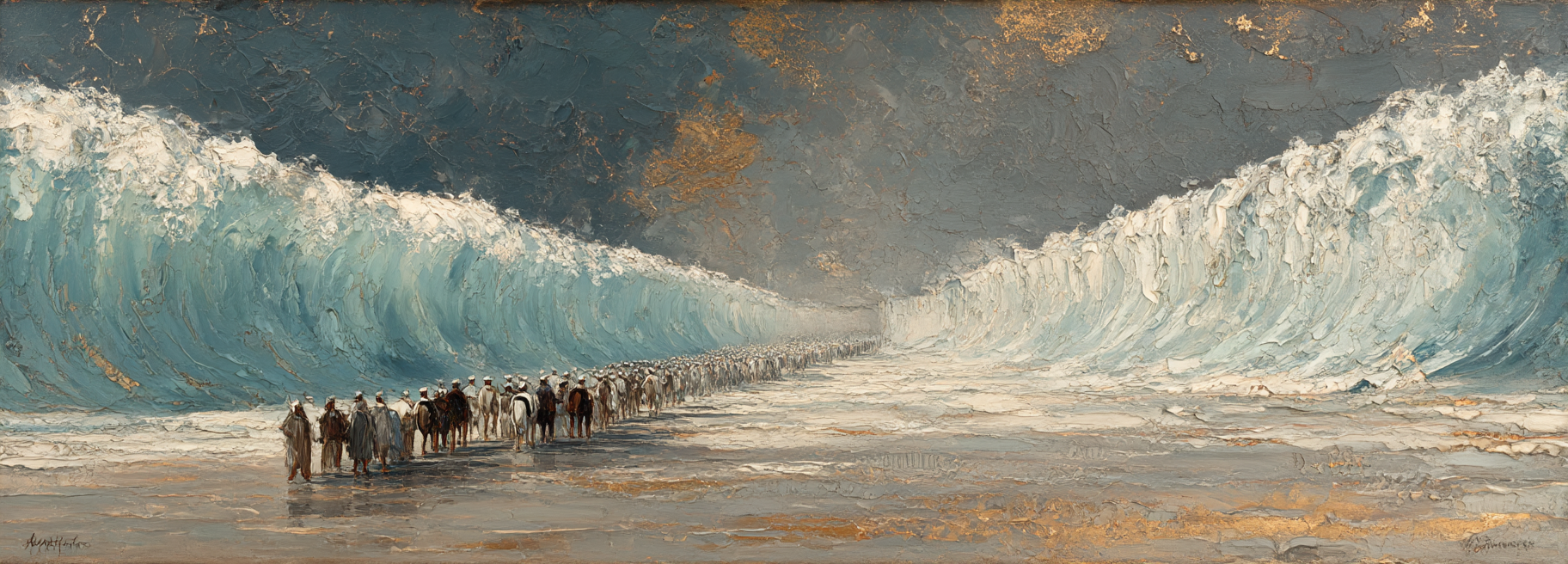
The Red Sea?
Ever since the Septuagint translated Yam Suf (יַם־סוּף “Sea of Reeds”) as the Red Sea, this location has been considered the site of Israel’s crossing. Though this location is debated, the Torah does not say "Red Sea."
For most people, it makes no difference whether it is the Red Sea or a Sea of reeds.
This is because reeds have little significance in our cultural belief system. But for the ancient Egyptians, this may have been a significant detail.