
Hoshana Rabbah and the Living Water: Jesus's Teaching During Sukkot
What did Jesus mean when he mentioned the "living water" during the festival of Sukkot? What is Hoshana Rabbah? Discover how this final day of Sukkot connects ancient Jewish rituals, the pouring of living water, and Jesus’s words in John 7.
When I was young, my grandmother always kept a dried Palm frond hanging from her rearview mirror. She would replace it every year after the Catholic Easter service, which ended with the waving of Palms.
For some Christian denominations, the waving of Palms is often connected to Jesus's "Triumphal entry" around the time of the Passover.
Though the waving of Palms served as an ancient symbol of victory, redemption, and praise, this custom is a significant aspect of the Fall holiday known as Sukkot¹.
Jesus Celebrated Sukkot
As one of the three pilgrimage holidays (Shalosh Regalim), Sukkot required one's presence in Jerusalem during the Temple times.
It was customary for observant Jews to make the journey, acquire a Lulav² and etrog, and make their way to Jerusalem, where they would dwell in a temporary structure for the week-long celebration.
Jesus celebrated Sukkot. The Book of John gives us a hint at how Jesus alluded to the deeper Rabbinic traditions of this holiday in his teaching.
In John, Chapter 7, we're told that Jesus did not travel with his students, but eventually joined them in Jerusalem to observe this festival, a few days' walk from the Galilee.
As an out-of-towner, this seems to imply that Jesus spent some amount of time in a Sukkah that week, either as a guest or in one built by his followers. Much the same way Sukkot is observed today in Jerusalem, these structures would have likely been built in open areas, on rooftops, or on the streets.
Throughout the week, worshippers would congregate in the Temple courts to attend the Temple services, where many offerings were sacrificed on behalf of Israel and the nations.
Water Libation Ceremony
The Rabbis often spoke about the joy and exhilaration one would experience during this festival, but particularly the water libations:
"If one had not witnessed the water libation ceremony, they never experienced true joy."³
Though this ceremony seems to have occurred nearly every day of the festival, the seventh day (Hoshana Rabbah) became the most celebratory.
Tradition tells us that the water libation took place during the morning offerings throughout the festival of Sukkot.
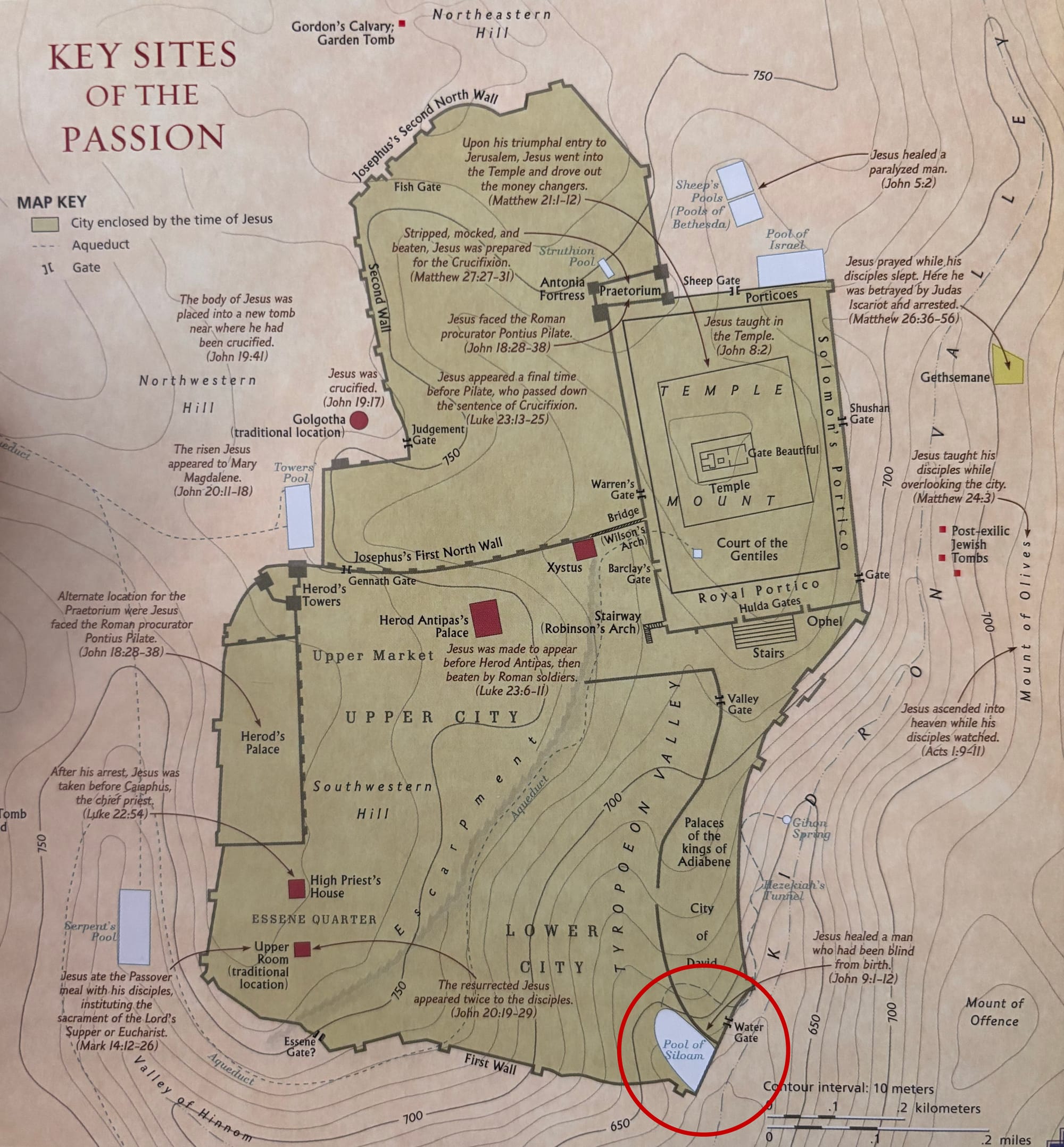
The priests would begin at the Pool of Siloam in the City of David, scooping up water into a golden jug. From there, they would walk through the Water Gate in a slow upward procession all the way to the Temple courtyard, where the water would be poured out onto the altar of burnt offerings.
Crowds would have gathered along the route to hear the music, singing, and rejoicing, likely waving their palms (Lulavim).
One priest was given the task of the actual pouring, raising his hands high above his head for all to see the water as the drink offering was poured out. This would have been the height of the celebration for deeper reasons, of which we will explore.
Hoshanah Rabbah
Though the text tells us that Jesus taught in the Temple courts in Jerusalem during that week, John makes a specific mention of the last day of the festival, calling it "the Great day."
There is good evidence to connect John's "Great day" with Hoshana Rabbah (הושענא רבה), the seventh day of Sukkot.
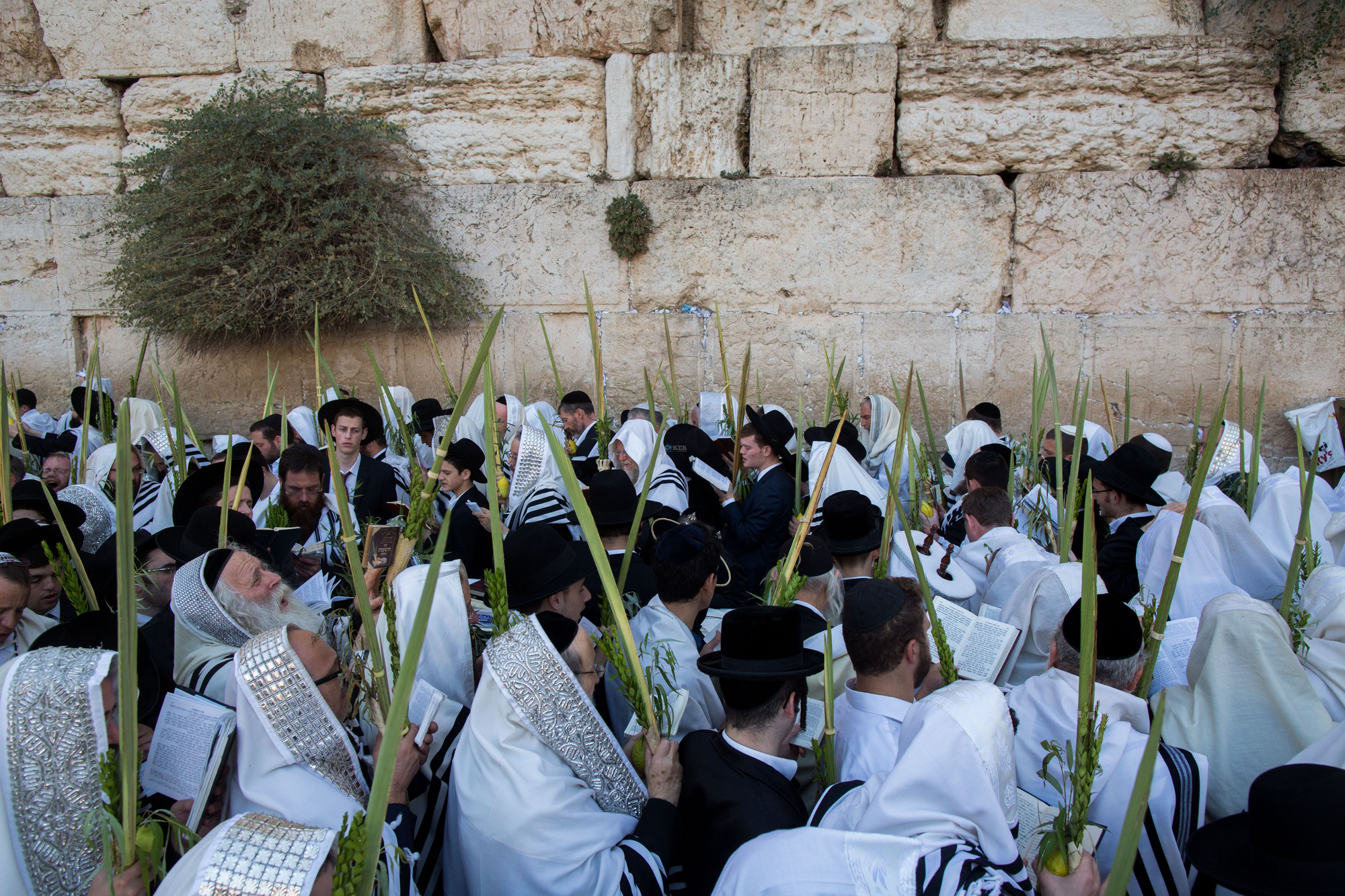
Hoshana Rabbah means the "great supplication," and is also related to the root word for salvation. "Hoshana" can be found in the Messianic Psalm 118:25, and could be heard in the crowds shouting "Hoshana," "save us!”
It seems to be during the height of this water libation ceremony that Jesus stood up and shouted:
If anyone thirsts, let him come to me and drink. Whoever believes in me, as the Scripture has said, ‘Out of his heart will flow rivers of living water.’
- John 7:37
This seems like an unusual thing to say, unless we are aware of the context and hidden meaning behind his words.
Jesus and the Oral Torah
Interestingly, Hoshana Rabbah is not mentioned in the Torah. This is another clue that Jesus and the Apostles lived within the Rabbinic worldview and traditions.
Agriculturally, Hoshana Rabbah was connected to the beginning of the early rain season. It was believed to be the moment when the year’s judgment for rain was sealed⁴.
On the Midrashic level, water often represents the wisdom of the Torah. In the land of Israel, both water and Torah are life. In a sense, if Israel's sins were forgiven, the life-giving rains would begin to fall.
This idea is also reflected in the words of the Prophets. Perhaps this is why the celebration of Sukkot will require Gentile participation in the Messianic era:
All who survive of all those nations that came up against Jerusalem shall make a pilgrimage year by year to bow low to the Supreme G_D of Hosts and to observe the Feast of Booths. Any of the earth’s communities that does not make the pilgrimage to Jerusalem to bow low to the Supreme G_D of Hosts shall receive no rain.
- Zechariah 14:16-17