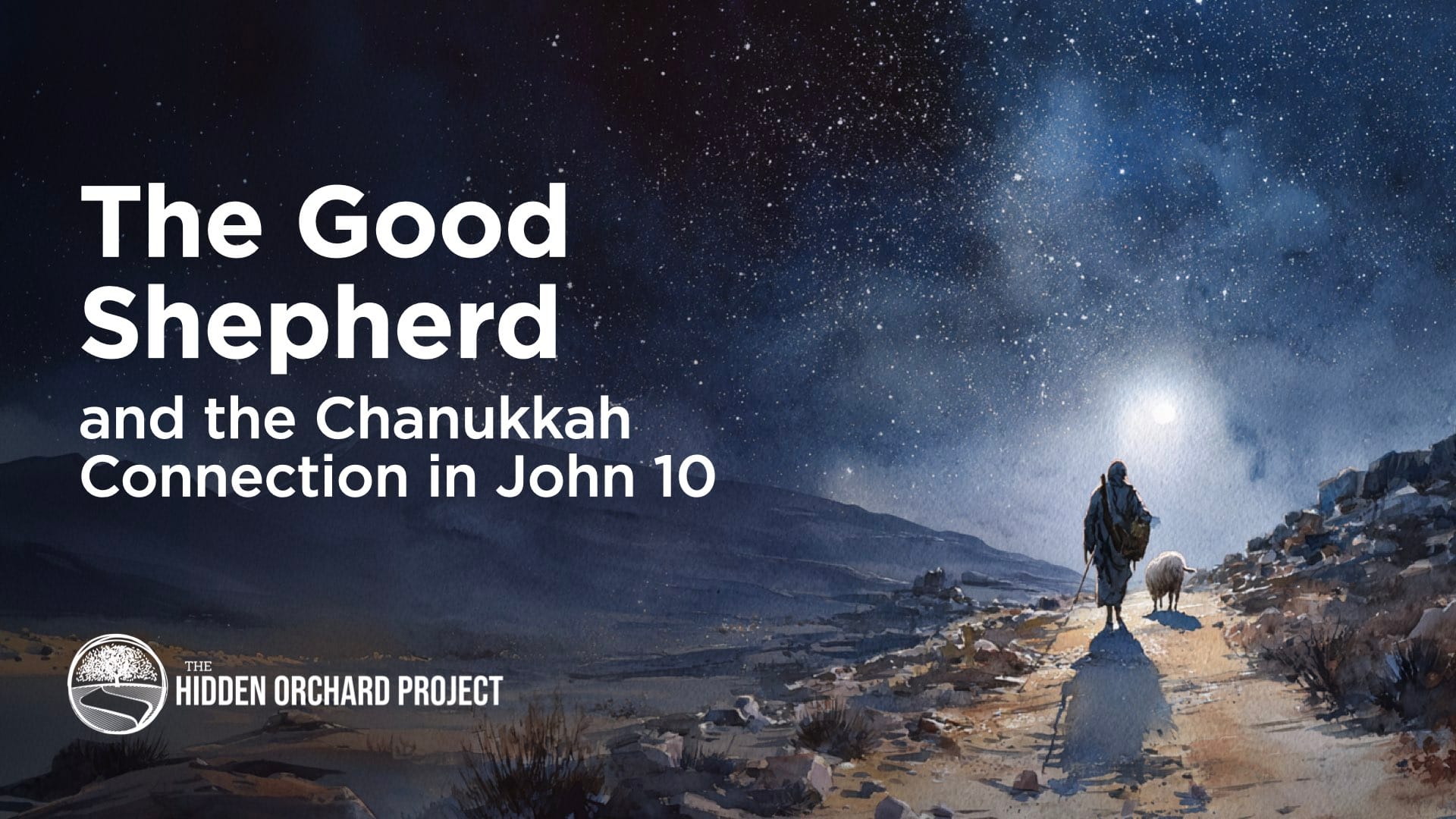
The Good Shepherd and the Chanukkah Connection
Did Jesus celebrate Chanukkah? When we look closely at the elements in John, chapter 10, familiar themes from the prophets emerge, giving us a clue to the messianic tradition behind this winter holiday.
Some people refer to Chanukkah as the Jewish Christmas. And though it predates Christmas by centuries, few realize that Jesus seems to have celebrated Chanukkah.
Where do we get this idea? The Gospel of John.
John's writings are unique in the Apostolic collection. Apart from its inclusion of Jewish mystical concepts, John layers in the holidays and corresponding themes from Rabbinic tradition.
The more familiar one becomes with the Jewish tradition and holidays, the more one will uncover in John's writings.
The Parasha Cycle
It has been suggested¹ that John wrote his Gospel to track with the triennial liturgical cycle.
Today, the Jewish liturgy follows a one-year cycle, in which the Torah is divided into 54 weekly portions, each known as a Parasha (פָּרָשָׁה). Communities read from Genesis through Deuteronomy over the course of a year. Each Torah portion includes a related passage from the Prophets, known as the Haftara, which is also read in the synagogue.
Rabbinic commentaries and Midrashic collections are organized according to this sequence, offering centuries of insights that deepen the meaning of the biblical texts.
We'll look at just a few of these connections in John Chapter 10.
Chanukkah: Feast of Dedication
In John, Chapter 7, we learn that Jesus traveled to Jerusalem for Sukkot². Though this holiday occurs months before Chanukkah, the chapters blend, and Jerusalem is the setting for many related teachings through the end of Chapter 10.
In John 10, we read:
At that time of the Feast of Dedication (Chanukkah), which took place in Jerusalem. It was winter, and Jesus was walking in the Temple, in the colonnade of Solomon - John 10:22-23
The English translations obscure this connection, but the festival of dedication is Chanukkah.
Chanukkah (חֲנֻכָּה) literally means "dedication," and can be seen throughout the Bible, often in the context of various dedications related to the Temple.
John takes great effort to make it clear that this Galilean Rabbi had made the weeklong journey to be in Jerusalem at this particular celebration.
Victory and Light
Chanukkah would have been an important celebration in Second Temple Judaism. Perhaps this is why many of Jesus's disciples are named after key figures in the Maccabean story.
On one level, Chanukkah commemorates the military defeat of Antiochus, the powerful Greek army, and the overthrow of the failed leadership of Israel, which allowed Hellenistic influence to take root.
On a spiritual level, Chanukkah contrasts the theme of dark versus light, the re-establishment of the Temple, and reflects the establishment of the Messianic Kingdom in Jerusalem.
The Talmud connects the miracle of Chanukkah with the Temple menorah, which remained lit for eight days on a single vial of oil.
Messianic Themes
Many of these elements of Chanukkah are Messianic. For example, the Temple menorah itself represents the light for the world, in the house of G_D for all nations to make use of (Isaiah 56:7).
Much of Jesus's teaching in these Jerusalem chapters builds upon these key themes: light of the world, healing the blind, revelation³, the Good Shepherd, and his identity as a Shaliach⁴.
The Failed Shepherds of Ezekiel 34
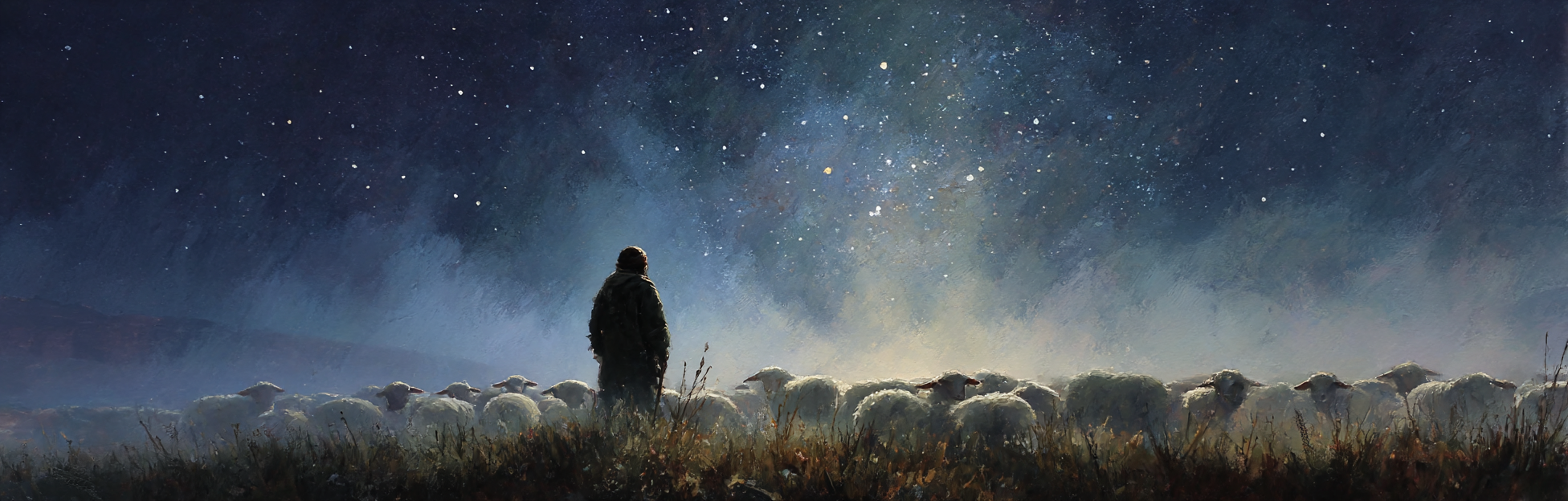
John chapter 10 begins with the imagery of the shepherd and the flock. Jesus is depicted as the Good Shepherd, the one sent to lead the people of Israel (the flock).
His interlocutors represent the shepherds who have failed in their responsibilities.
Jesus's words parallel the Ezekiel's message in chapter 34. Though we cannot confirm it, I often wonder if this section of Ezekiel might have been one of the Haftara readings⁶ during Chanukkah in the triennial cycle.
Nevertheless, Ezekiel tells the leaders of Israel that they, like bad Shepherds, have not taken care of the flock.
Some of the charges against them:
- They have fed themselves instead of the flock (v. 2–3)
- Neglected to strengthen the weak (v. 4)
- Failed to heal the sick (v. 4)
- Not binding up the injured (v. 4)
- Not bringing back strays or the lost (v. 4)
- Handled the flock harshly (v. 4)
- Allowed the sheep to be scattered and become food for wild animals (v. 5–8)
These reflect the similar charges against some of the Judean leadership in Jesus's time, a sentiment shared by the Talmudic Sages⁷ as well.
The Good Shepherd
In Ezekiel, G_D tells these failed shepherds that He will replace them:
Then I will appoint a single shepherd over them to tend them—My servant David. He shall tend them, he shall be a shepherd to them. I the ETERNAL One will be their G_D, and My servant David shall be a ruler among them—I, G_D, have spoken. - Ezekiel 34:23-24
Jesus declares that he is that "Good Shepherd."
"Good shepherd" is a term frequently used in the Rabbinic literature, but it is not literally found in the Hebrew Bible.
Moses is referred to as the Good shepherd. And like Moses, Joseph and David were shepherds who became rulers. From this pattern, Messiah is referred to as a shepherd and a king.
My Take
It seems to me that John 10 may be framed as a sort of Midrashic read of Ezekiel 34. John retells the story of Israel’s corrupt shepherds are condemned by the Good Shepherd who has been sent by G_D to gather the flocks.
John's Gospel is believed to be the latest of the four, written to communities under extreme pressure. Perhaps this story, like many Midrashic stories, serves as a comfort and reminder for his audience that the redemption is ahead, and that G_D will make good on His promises.
There is more to unpack in this discussion, but the groundwork is set, and John leaves his audience with a story of hope.
The Light of Chanukkah
Chanukkah is celebration of messianic hope. With each candle we light, the brightness increases, symbolizing the growing light of redemption through the darkness.
The holiday not only commemorates past victories but also reminds us of the coming Kingdom, the triumph of good over evil, the rebuilding of the Temple, and the full revelation of G_D’s presence at a global scale.
Want to Learn More?
 The Hidden Orchard
 The Hidden Orchard
 The Hidden Orchard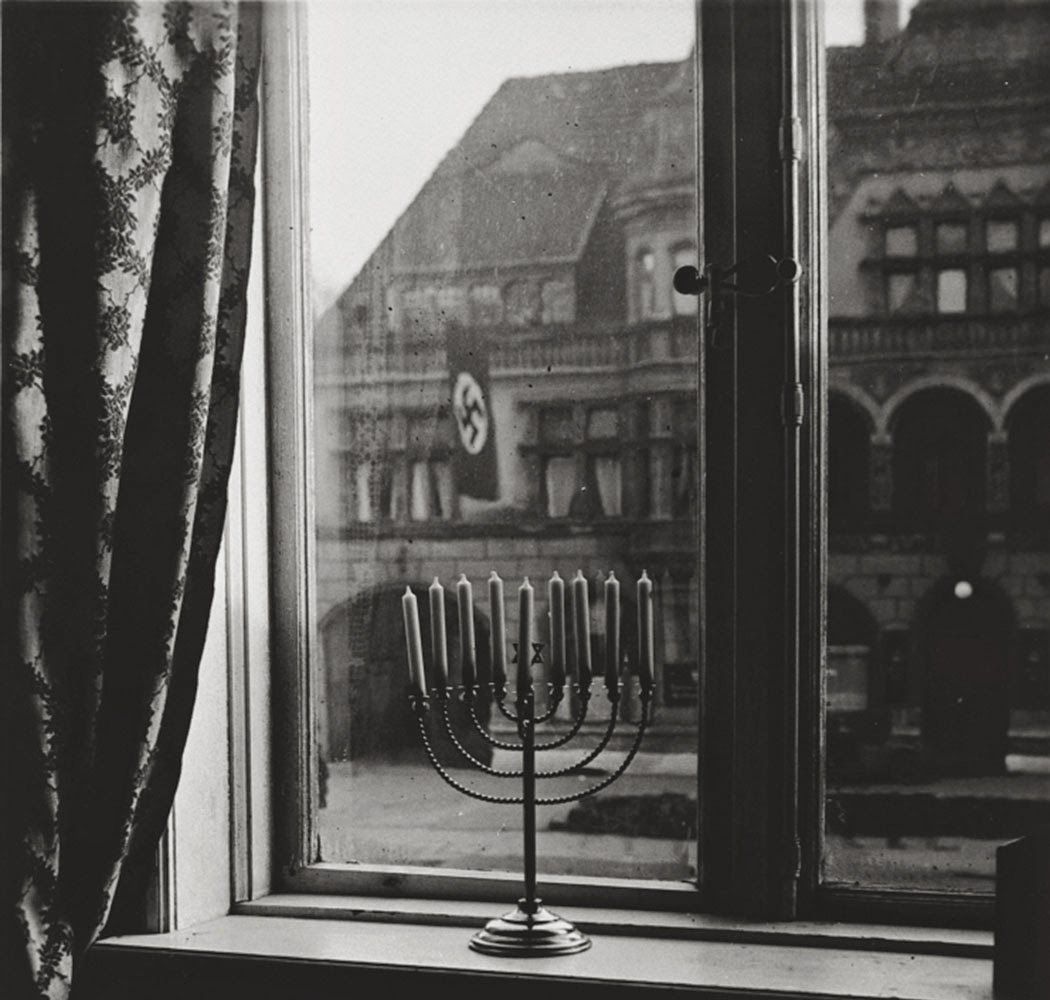
 The Hidden Orchard
Notes:
¹ This theory has been posited by Dr. Eli Lizorkin-Eyzenberg
² Hoshana Rabbah and the Living Water: Jesus's Teaching During Sukkot
³ The Light That Defies Darkness
⁴ The Shaliach: Agency and Representation in Jewish Tradition
⁵ The Tzaddik and the Temple: Decoding Gospel Accounts of the Crucifixion
⁶ The Haftara is the associated reading from the Prophets in the liturgical cycle
⁷ For example: Gittin 55b–56a; Pesachim 57a