
The Resurrection of Lazarus
The story of Lazarus, as recounted in the Gospel of John, is one of the most profound miracles performed by Jesus. But when we look deeper at this story, with hints from the Jewish tradition, more details emerge.

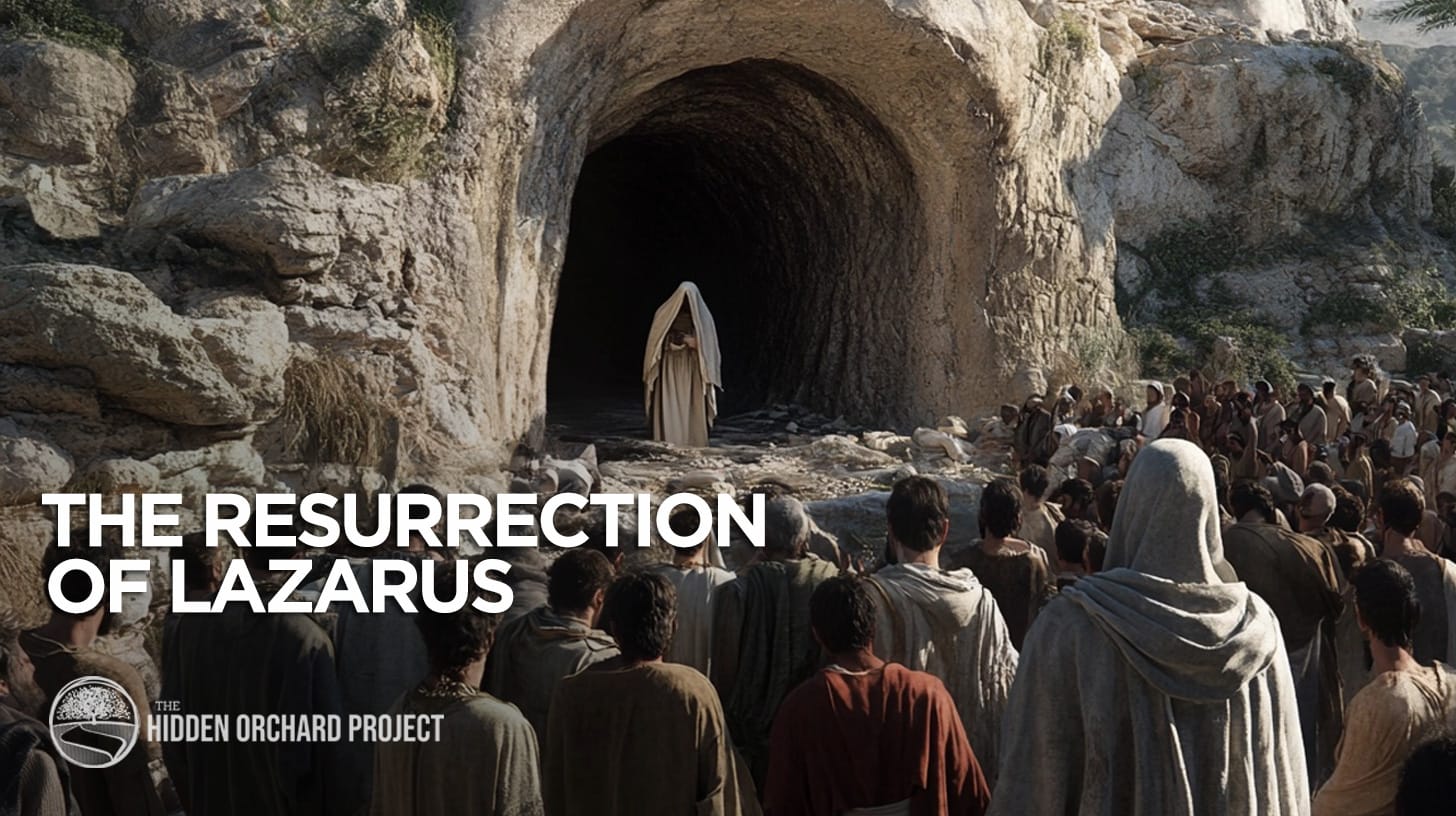
The story of Lazarus, as recounted in the Gospel of John, stands out as one of the most profound and most well-known miracles performed by Jesus.
More than a second chance at life, we'll see how the narrative has been encoded with traditions and hints at the observance of Jewish customs, and foreshadows the Resurrection of the dead.
Lazarus' Death
In the Gospel account, Lazarus of Bethany—brother to Mary and Martha—fell gravely ill. Sensing Lazarus was near death, the sisters sought the help of Jesus, hoping he could heal and restore their brother.
However, Jesus seems to have delayed his visit. Not only did he not make it in time to save Lazarus, but he arrived four days after Lazarus was placed in the tomb.
It is worth noting that, unlike many cultures that practice some degree of delayed burial, Jewish tradition encourages burying the deceased as soon as possible, even within the same day when possible.
More than simple storytelling, the narrative emphasizes this detail, telling us in two separate places that Lazarus had been dead for "four days."
When Jesus arrived, he found that Lazarus had been in the tomb for four days already.
- John 11:17 (See also 11:39)
Seven Days of Shiva
When Jesus arrived, he encountered a community in mourning. This indicates the community was observing the practice of Shiva (שבעה), a word that means "seven," representing the seven days of mourning¹.