
The Merit of the Righteous. Abraham, Sodom, and the Scales of Justice
Can a few good people bring salvation to others? For some, salvation is solely the work of Messiah, but the Torah teaches us something different - an empowering lesson of quiet faith.

In Genesis 18, G_D revealed to Abraham His intent to destroy Sodom and the surrounding cities. Questioning the Creator's plan, Abraham asked;
“Will You sweep away the righteous with the wicked?”
- Genesis 18:23
Bible readers are familiar with this conversation, but it's easy to overlook the revelations on divine justice, mercy, and the power of righteousness.
Unpacking this exchange will not only help us better understand the work of the Messiah, but also how each and every one of us can play an important role in the ongoing process of redemption.
First, let's understand Sodom and Gomorrah (סדם ועמרה), what they did wrong, and what brought such destruction upon their city.
The Location of Sodom and Gomorrah
Some view the Biblical story as an ancient myth. Archeologists have been divided on the exact location of the city of Sodom.
Recent findings at sites like Tall el-Hammam¹ look promising. If indeed this is the location, Tall el-Hammam suggests the city may have spanned around 100 acres, housing over 5,000-10,000 inhabitants at its peak.
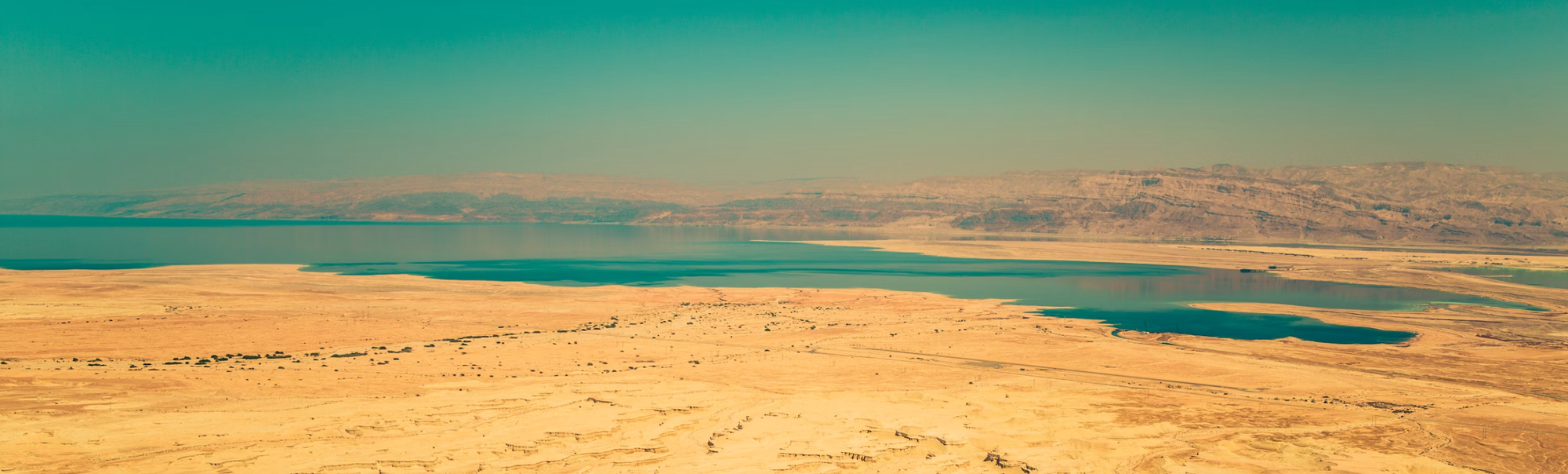
Jewish tradition associates Sodom with the area of the Dead Sea, calling it the "Sea of Sodom"². This hints at the idea: a high and mighty city can be brought to the lowest place on earth through evil behavior.
The Sins of Sodom
In Rabbinic literature, Sodom and Gomorrah represent evil on a large scale. Indeed, among the many sins associated with Sodom, many are sexual in nature.
The Midrashic tradition connects the sexual sins of Sodom with those of the Nephilim, even calling their destruction the "Deluge of fire," compared to the deluge of water, from the time of Noah.
The Rabbis see other problems among the people of Sodom; greed, cruelty, social injustice, and an egregious lack of compassion.
For example, tradition tells us the people of Sodom threatened to burn anyone who fed the poor within the city³. It was precisely this sin that put the final nail in the city's proverbial coffin.

Abraham's Argument
If we read closely, Abraham's argument is built upon the belief that G_D separates the wicked and the righteous in judgment. Abraham intercedes, each time testing the boundary of mercy.
- “If there are fifty righteous within the city…”
- “If there are forty-five…”
- “If there are thirty…”
- and so on, down to ten.
G_D replies, “I will not destroy it for the sake of ten.”
Ten could not be found, but if we take Abraham's argument somewhat literally, it seems that a few righteous people are enough to preserve thousands.